
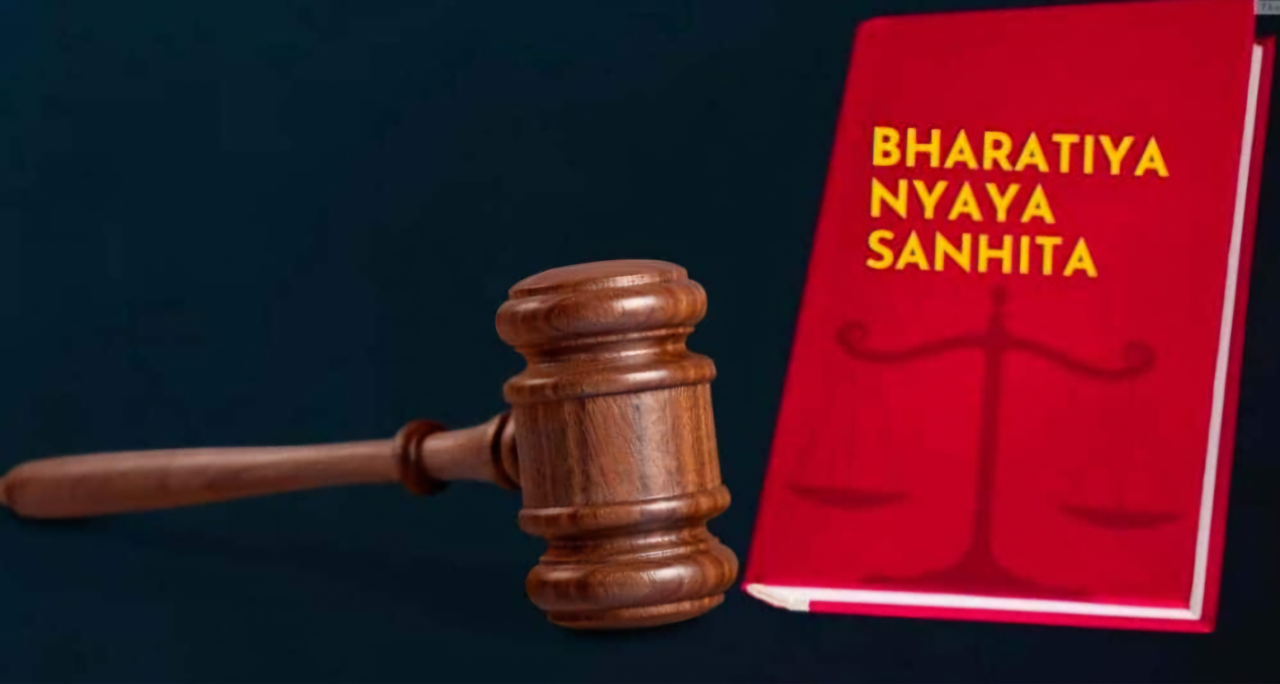
The Bharatiya Nyaya Sanhita (BNS) 2023 replaces the 163-year-old Indian Penal Code. Here is a plain-language breakdown of what changed, what stayed, and what it means for ordinary citizens.
On 25 December 2023, three landmark criminal-law Bills received Presidential assent, replacing colonial-era legislation that had governed India for over a century. The Bharatiya Nyaya Sanhita (BNS) 2023 replaces the Indian Penal Code, 1860; the Bharatiya Nagarik Suraksha Sanhita (BNSS) replaces the Code of Criminal Procedure, 1973; and the Bharatiya Sakshya Adhiniyam (BSA) replaces the Indian Evidence Act, 1872. All three came into force on 1 July 2024.
Key Structural Changes
The BNS consolidates 358 sections (down from 511 under the IPC) while introducing 21 entirely new offences. The most significant structural shift is the prioritisation of offences against the human body — placed before property offences — signalling a shift in legislative emphasis from the protection of colonial assets to the protection of persons.
- Sedition (Section 124A IPC) has been replaced by a broader "acts endangering sovereignty" clause under Section 152 BNS.
- Organised crime and terrorist acts are now explicitly defined within the main criminal code for the first time.
- Community service has been introduced as a formal sentencing option for minor offences.
- The death penalty is now prescribed for gang rape of a minor.
- Hit-and-run causing death and fleeing the scene carries up to 10 years imprisonment under Section 106(2) BNS.
What Has NOT Changed
Despite the wholesale renumbering, the substantive law on most routine offences — theft, cheating, criminal breach of trust, defamation, assault — remains largely identical. The language has been simplified and translated from archaic Victorian English into more accessible phrasing, but the essential legal tests are unchanged.
“The BNS is less a revolution and more a careful renovation — the walls are the same; the signage is new.”
— Mohit Mudgal, Senior Advocate, Mudgal Advocates
Practical Implications for Citizens
Every FIR filed on or after 1 July 2024 must cite BNS sections. Cases registered before that date continue under IPC provisions. If you receive a legal notice, summons, or charge sheet citing new section numbers, do not panic — consult an advocate who can map the new sections to the familiar old framework and advise you accordingly.
The timeline for filing First Information Reports, bail applications, and chargesheets has also been codified under the BNSS with strict deadlines. Courts are now empowered to conduct trials of proclaimed offenders in their absence, a significant change for cases where accused persons have absconded.
Conclusion
The transition to the BNS, BNSS, and BSA is the most sweeping reform of India's criminal justice system since independence. While the spirit of the law remains familiar, the letter has changed substantially. Citizens, businesses, and legal professionals alike would do well to familiarise themselves with the new framework. At Mudgal Advocates, we are fully equipped to advise clients under both the legacy and new statutory regimes.